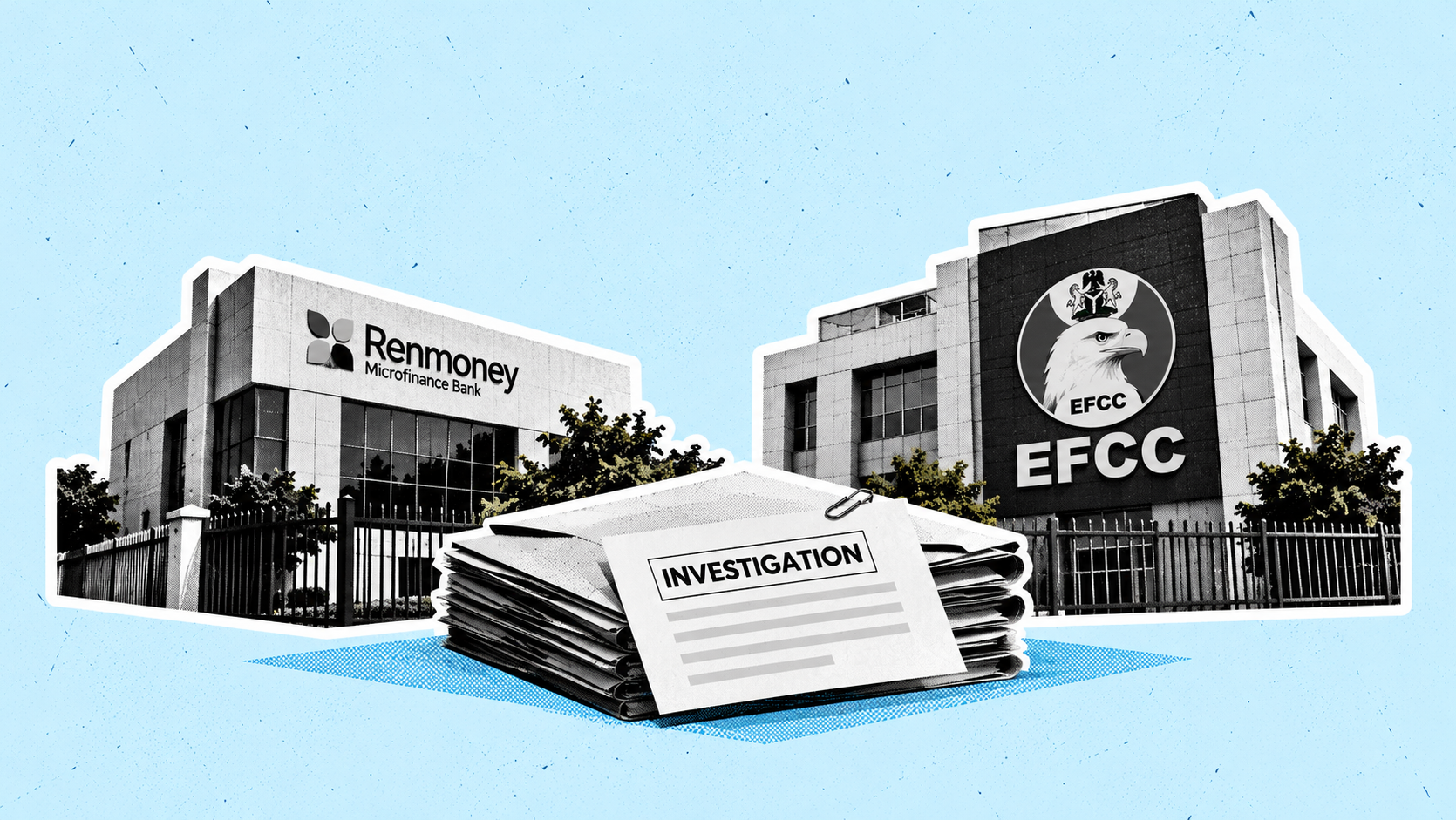
EFCC Arrests Abuja Businessman Over Alleged $120 Million Investment Fraud



The Economic and Financial Crimes Commission (EFCC) has arrested Innocent Ozoemena Ezuma, 57, an Abuja-based businessman, over allegations of defrauding a Ukrainian investor of more than $120 million.
Ezuma was arrested at his Abuja residence on Monday, October 19, 2026. EFCC spokesperson Dele Oyewale confirmed the arrest, stating that investigations were ongoing.
The allegations involve investment funds reportedly collected over several years, suspected diversion of money, and financial transactions involving companies and individuals linked to the businessman.
What Happened to the $120 Million?
According to sources familiar with the investigation, Ezuma allegedly received substantial funds from a Ukrainian investor between 2007 and 2015 to finance mineral exploration and power generation projects.
However, investigators allege that the promised projects were never executed and that some of the funds were diverted for personal use.
The investigation covers allegations of advance fee fraud, criminal breach of trust, obtaining money under false pretense, theft, criminal conversion, and money laundering.
Although the case involves alleged losses exceeding $120 million, publicly available reports have not provided a complete breakdown of how the entire amount was received or spent.
Investigators Trace Billions of Naira to Family-Linked Accounts
The investigation has also raised questions about substantial financial transfers involving Ezuma's family members and associated companies.
According to published reports:
Bogdan Ekene Ezuma, 28: The businessman's son reportedly controls Battregen Limited, a company under investigation. The company allegedly received ₦1.365 billion in purported loans between February and April 2025, despite recording no revenue.
An alleged ₦953 million transfer: Investigators are examining a transfer reportedly made to the younger Ezuma in July 2025, of which ₦90 million was said to have been returned.
Bozhena Ezuma, 26: The businessman's daughter was reportedly linked to transfers ranging from ₦48 million to ₦50 million.
Victor Ezuma: A relative and business associate was also named in reports concerning transactions under investigation.
Investigators are examining the purposes of these payments and whether any financial offense occurred.
Being linked to a transaction under investigation does not, by itself, establish criminal involvement.
An Earlier Controversy Involving Jos Steel Rolling Mill
The investigation reportedly extends beyond the Ukrainian investor's mining and energy projects.
Sources allege that, in the mid-2000s, Ezuma persuaded two Ukrainian businessmen to finance the privatisation of Jos Steel Rolling Mill in Plateau State.
He was subsequently accused of taking exclusive control of the facility, disposing of its assets, and leaving hundreds of workers without wages.
These allegations form part of the wider reporting surrounding his business activities in Nigeria and Ukraine. They have not been established by a court.
What Is the EFCC Investigating?
The EFCC is reportedly examining how the investment funds were obtained, whether they were used for their stated purposes, and the movement of money through associated businesses and personal accounts.
Reports also indicate that investigators are working with international counterparts and seeking information from people familiar with Ezuma's previous business dealings.
As of the reports published on October 20–21, the EFCC had confirmed his arrest but had not publicly announced formal charges or a court judgment.
What Investors Can Learn From This Case
Investment fraud is not always built around unrealistic promises of overnight wealth. Some allegations involve established businesses, large commercial projects, and relationships developed over several years.
Before committing money to an investment:
Verify the business and its promoters. Check registration details, relevant regulatory authorisations, and the company's operating history.
Ask for independent evidence. Confirm that proposed projects, assets, licences, and partnerships actually exist.
Understand where your money is going. Request clear agreements, payment milestones, and appropriate financial reporting.
Be cautious with third-party accounts. Payments to personal or unrelated company accounts deserve additional scrutiny.
Keep proper records. Preserve contracts, receipts, bank transfer details, and correspondence.
Even a legitimate-looking company or familiar business relationship should not replace independent verification.
Big Investments Still Need Basic Verification
The allegations surrounding this case are a reminder that financial trust should never depend entirely on promises, personal relationships, or impressive business proposals.
At GoWaly, we believe people should have access to information that helps them identify potential financial risks before making payments.
You can use GoWaly to check whether a recipient account has available reports of suspected fraud. However, an account with no reports is not automatically safe, and an account check does not replace proper investment due diligence.
Whether you're sending a few thousand naira or investing in a major business opportunity, verification matters.
The individuals and businesses mentioned in this article are subjects of reported allegations or investigations. No criminal liability should be inferred without due legal process.
Move smart before your money moves.