Nine Arrested by Nigerian Police as INTERPOL Uncovers Major Online Fraud Operations

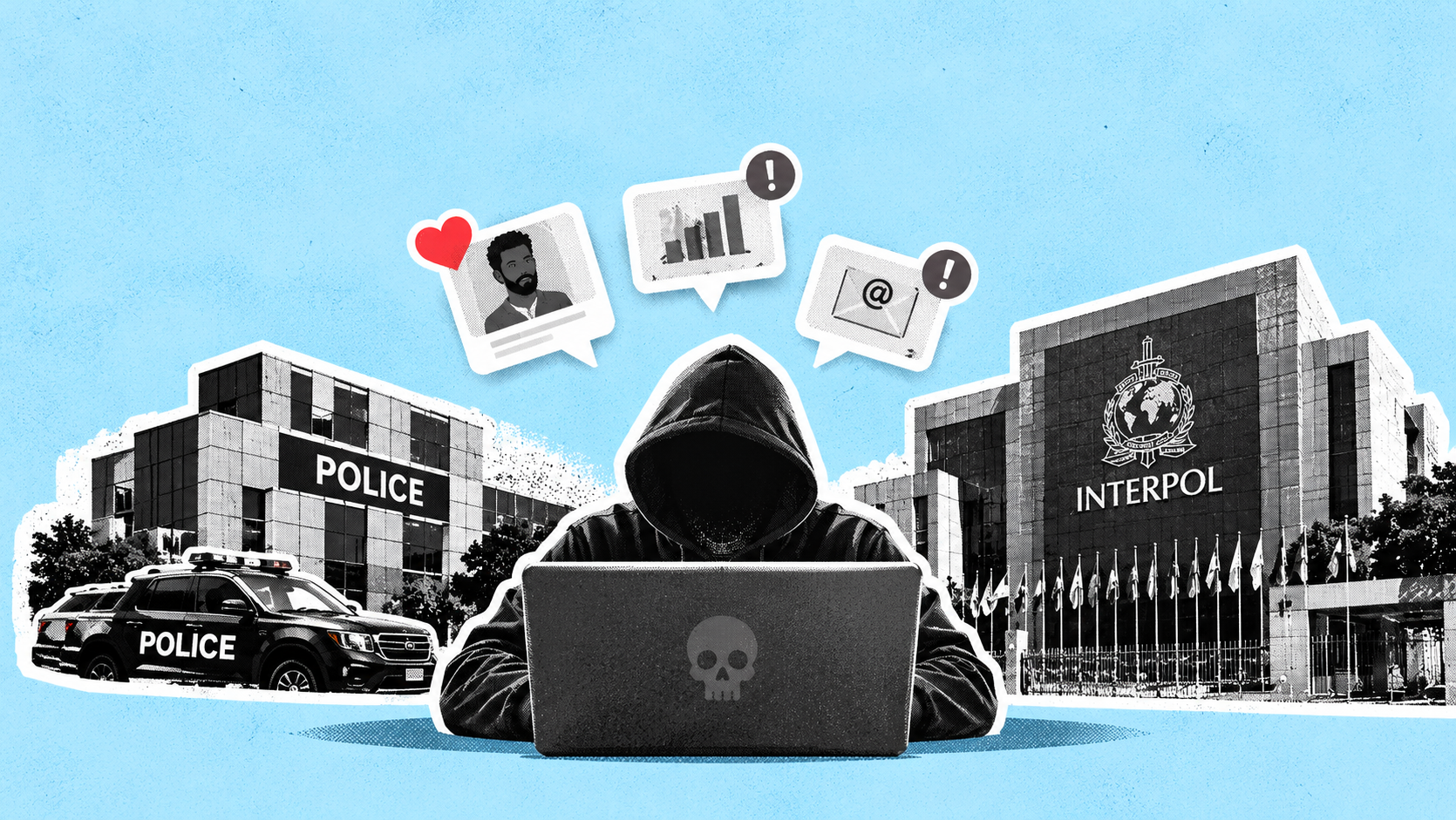


From fake investment opportunities to romance scams and celebrity impersonation, recent investigations reveal how fraudsters continue to exploit trust online.
Nigerian authorities and international law-enforcement agencies have reported new developments in their fight against online fraud, exposing schemes involving investment scams, romance fraud, identity impersonation, phishing, and business-email compromise.
In separate developments reported on October 23 and 24, the Nigeria Police Force National Cybercrime Centre (NPF-NCCC) announced the arrest of nine suspects linked to alleged cyber-enabled fraud, while INTERPOL reported arrests in Nigeria connected to a wider international cybercrime operation.
Together, these cases highlight a growing concern: fraudsters are finding different ways to make suspicious requests appear legitimate.
Who Were the Suspects?
The Nigeria Police Force identified nine suspects across three separate investigations in Delta and Lagos states.
1. Investment Fraud and Sextortion — Delta State
Ojei Divine: Allegedly impersonated investment professionals and directed victims to fraudulent trading websites.
Godwin Umerin: Linked to an alleged scam involving an Indonesian victim who transferred seven million rupiah.
Edema Bright: A university student allegedly involved in sextortion and cryptocurrency scams, including impersonating an investment executive.
Peter Kpamichukwu Okoh: A website developer accused of building six websites used for fraudulent activities.
2. Romance Fraud — Delta State
Uka Chidiebere Gerald, 32: Allegedly linked to a romance scam involving a victim who transferred over CA$200,000.
Kenneth Ufuophu, 30: Investigators linked cryptocurrency wallets associated with him to alleged victim payments totaling CA$214,000, plus CA$3,000 by wire transfer.
3. Celebrity Impersonation and Investment Fraud — Lagos State
Adebayo Adewale Basit, 23: Allegedly impersonated Elon Musk using social media, AI-generated voices, and deepfake technology.
Omoregie Christian and Adebayo Ibrahim: Arrested in connection with the same investigation involving impersonation and a suspected cryptocurrency investment scheme.
Meanwhile, INTERPOL's separate operation led to two additional arrests in Nigeria: one involving phishing and business-email compromise, and another linked to a $2.4 million investment fraud investigation. Their names and ages were not disclosed.
How These Scams Work
Although the methods differ, many of these schemes follow a familiar pattern.
A fraudster may impersonate a trusted person, public figure, business representative, or potential romantic partner. They establish credibility through convincing conversations, fabricated opportunities, or seemingly genuine relationships.
Once trust has been established, the victim may be pressured to transfer money, disclose sensitive information, or invest in a supposedly profitable opportunity.
In business-email compromise, criminals may instead manipulate communications or payment instructions to redirect funds.
The danger is that the fraudulent request can appear to come from someone the victim already trusts.
What Nigerians Should Watch Out For
Before sending money or sharing sensitive information:
Verify investment opportunities independently. Promises of guaranteed or unusually high returns should raise concerns.
Don't trust an identity simply because it looks familiar. Profile photos, names, and even business communications can be impersonated.
Confirm payment details before transferring funds. If someone unexpectedly changes an account number or requests an urgent payment, verify through a separate trusted channel.
Never share OTPs, passwords, or banking credentials. Legitimate institutions should not require you to disclose these to strangers.
Be cautious of emotional pressure. Romance scammers and impersonators may create urgency or exploit personal relationships to discourage verification.
Trust Should Be Verified, Not Assumed
These investigations remind us that online fraud doesn't always begin with an obvious warning sign. Sometimes, it starts with a convincing message, an attractive opportunity, or a familiar identity.
At GoWaly, we believe everyone deserves access to information that helps them make safer financial decisions.
Before sending money, you can use GoWaly to check whether a recipient's account has been reported for suspected fraud. Remember, an account with no fraud reports isn't necessarily safe. Always verify who you're dealing with and why you're making the payment.
Move smart before your money moves.