Why Smart People Still Fall for Fraud

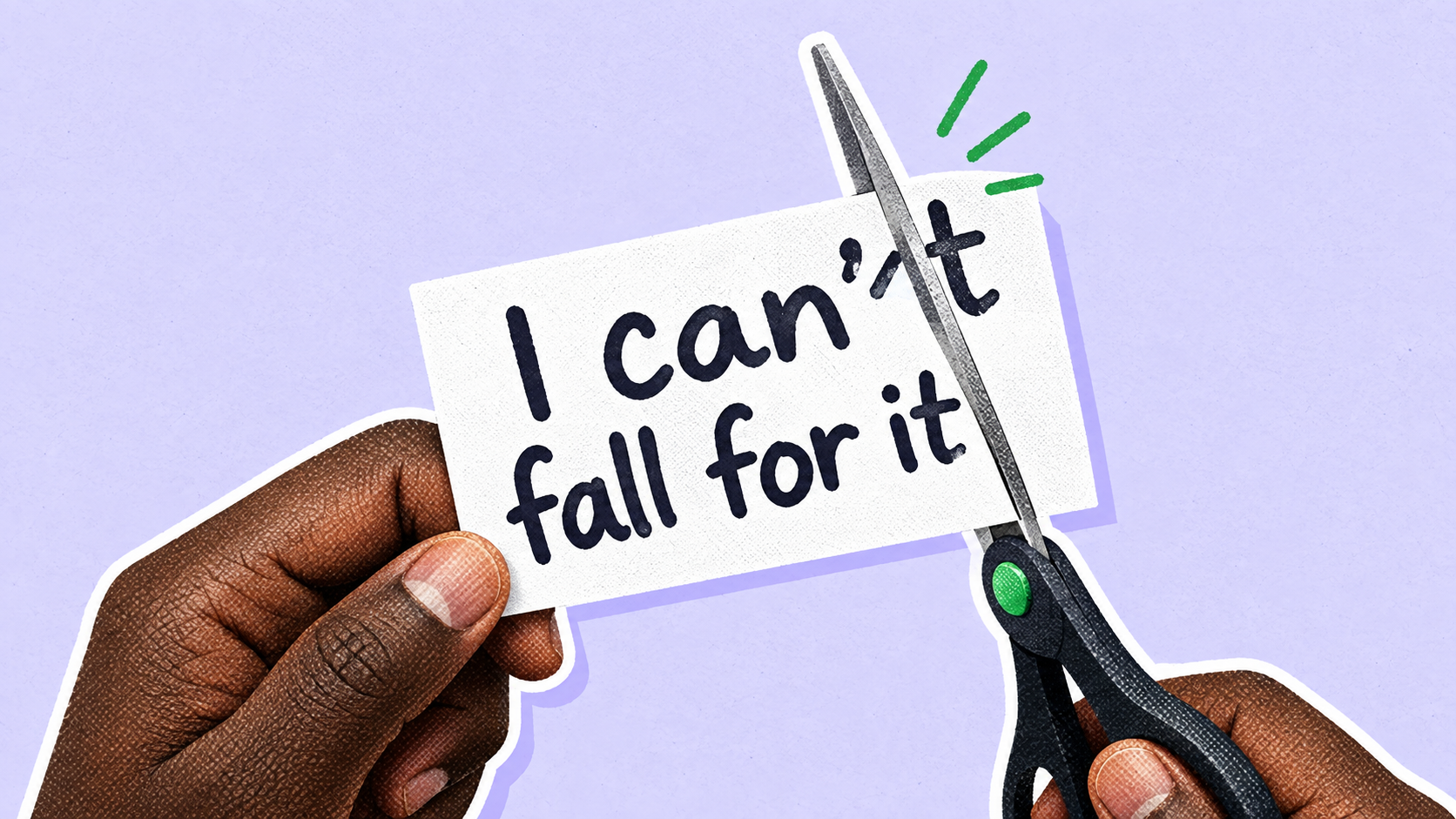


You can be smart, educated, know all the “obvious” signs of fraud and still fall for one.
In fact,
I can't fall for fraud
may be one of the most dangerous things you can believe.
Nigeria recorded 67,518 digital-payment fraud incidents in 2025, according to the Nigeria Inter-Bank Settlement System (NIBSS). While losses fell significantly from ₦52.26 billion in 2024 to ₦25.85 billion in 2025, billions of Naira were still lost. NIBSS identified social engineering, phishing, account compromise and SIM-swap fraud among the techniques continuing to evolve.
So why do intelligent, careful people still get defrauded?
Fraud doesn't always attack your intelligence. It attacks your emotions.
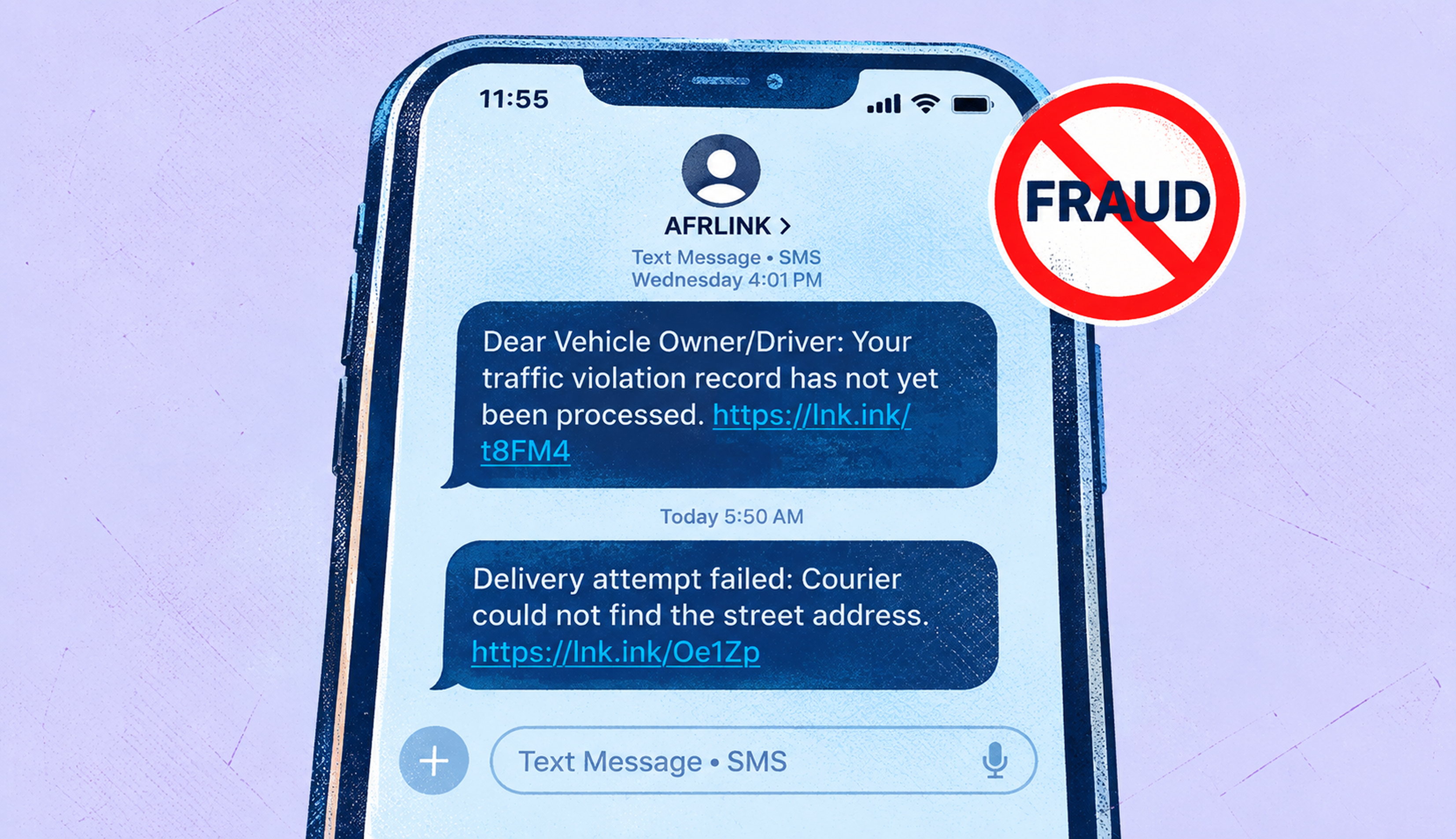
Imagine getting a message: "Your account will be restricted today. Click here to verify immediately." You may know that suspicious links are dangerous. But suddenly you're thinking: “What if my account really gets blocked?” and that's the trick.
Fraudsters don't always need you to believe something ridiculous. They need to make you act before you have time to think. They use emotions like: Fear, urgency, excitement, greed, hope, curiosity and trust. Once your emotions take over, your usual decision-making process can change and this isn't new.
The EFCC has previously warned that fraudsters do not discriminate based on education or social status, noting that people who believe they could never become victims can still be targeted.
The trust trap
Fraud becomes even more convincing when it comes from something familiar.
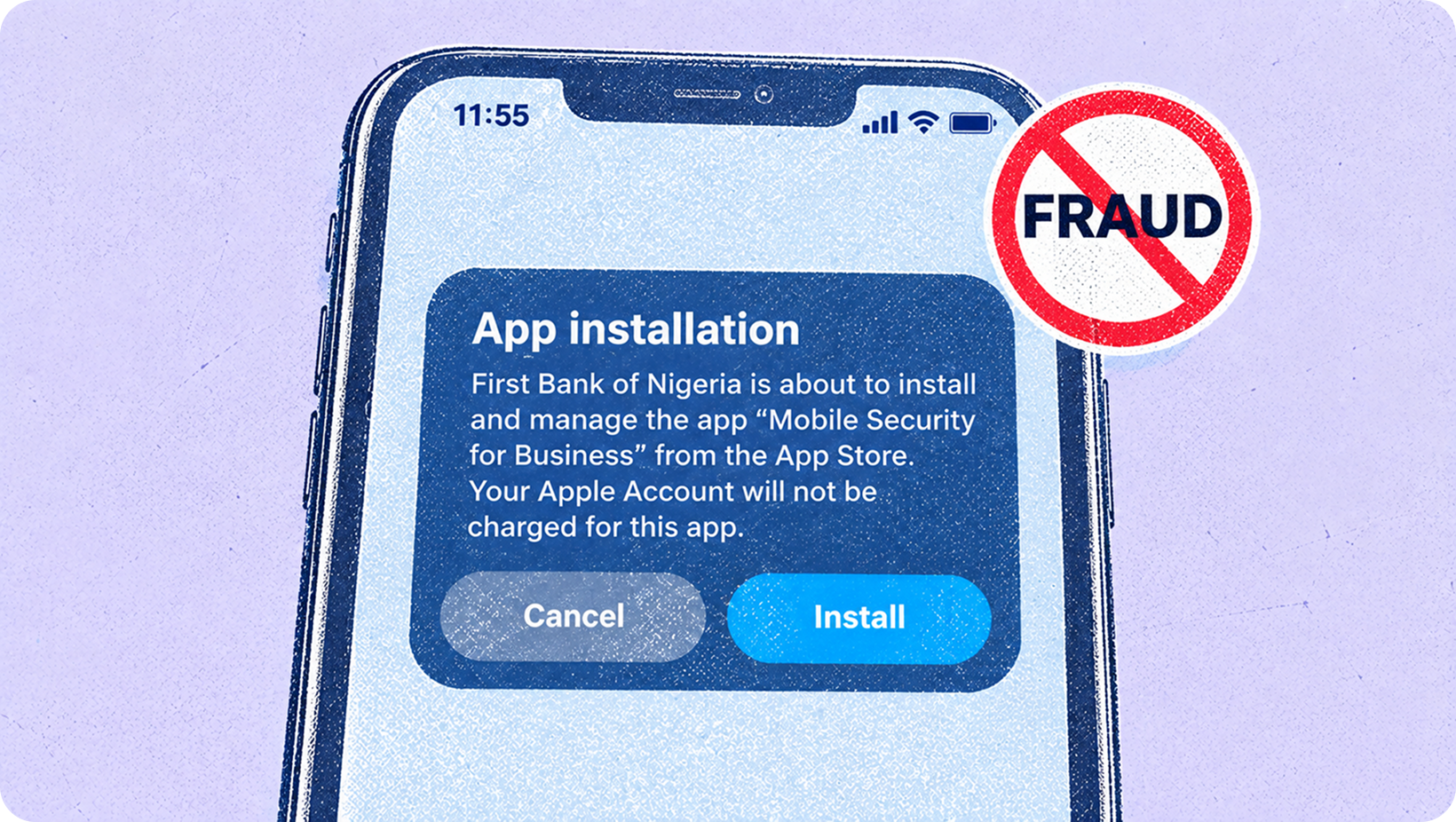
Your bank your boss, a friend, a family member, a delivery company, a government agency, a seller or a romantic partner. This is why impersonation is so effective.
The fraudster doesn't need you to trust them they need you to believe they're someone you already trust and with social media, leaked information and increasingly sophisticated technology, creating that appearance of familiarity has become easier.
The types you should know
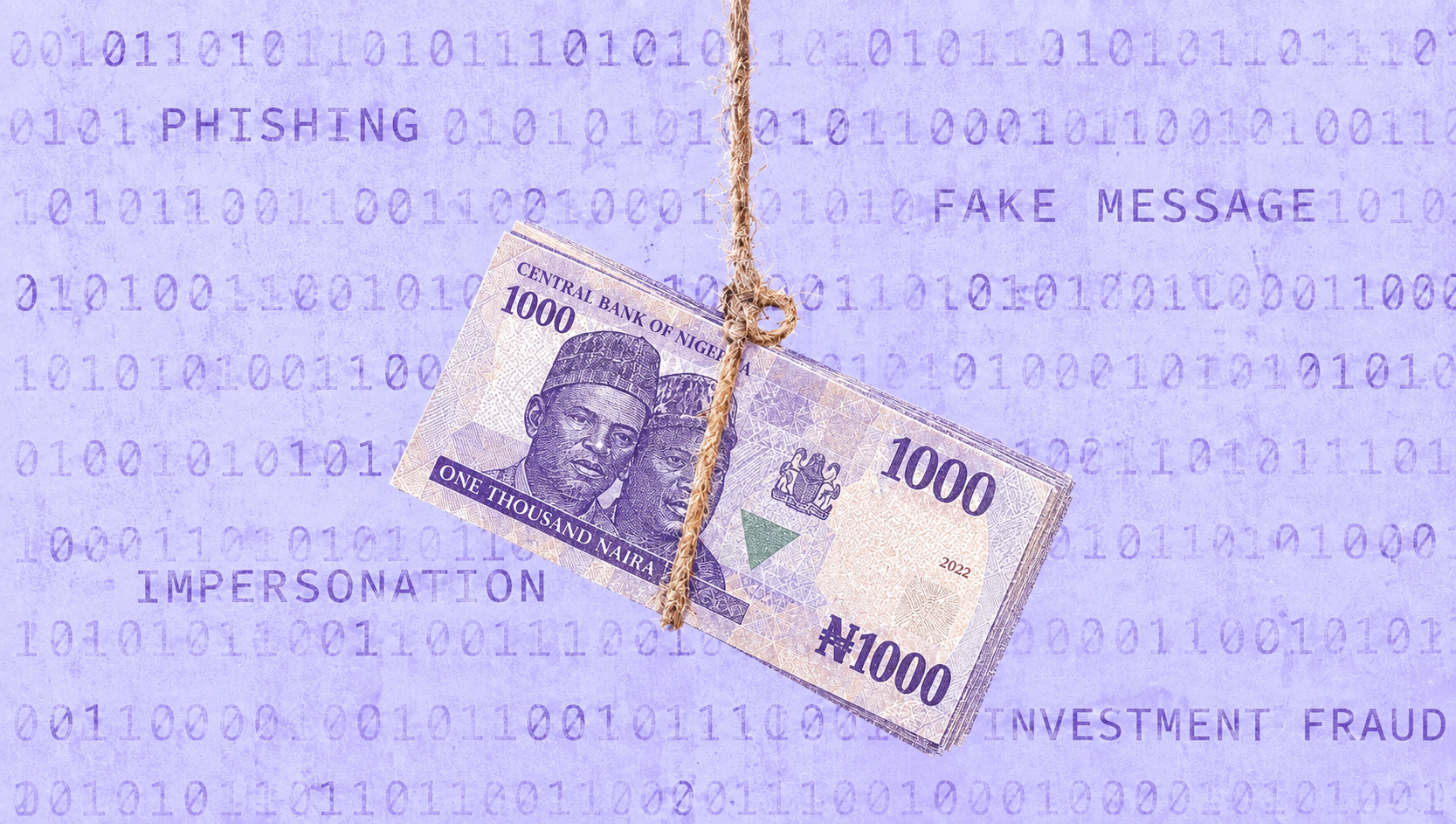
Fraud can take many forms, but some common ones include:
Phishing: fake emails, websites or messages designed to steal information.
Impersonation fraud: someone pretends to be a trusted person, business or institution.
Investment fraud: fake investments or unrealistic promises of guaranteed returns.
Job fraud: fake employment opportunities used to collect money or personal information.
Romance fraud: someone builds an emotional relationship before requesting money.
Online shopping fraud: you pay for something that doesn't exist or isn't delivered.
Authorised Push Payment fraud: you are manipulated into transferring money yourself because you believe the recipient or reason for payment is legitimate.
That last one is especially important in a world where sending money can take seconds. But would you know if it was fake? Maybe. But what if it doesn't look fake?
A professional website, a familiar logo, a convincing phone call, your name, someone who knows details about you or a message written perfectly. These things can create confidence without actually proving legitimacy and that's why looking real isn't the same as being real.
So what actually works?
You don't need to become paranoid. You need a process.
1. Slow down: Urgency is a reason to verify, not a reason to rush.
2. Verify independently: If someone contacts you claiming to be your bank, don't use the number or link they provide. Go through the bank's official channel. If a friend asks for money, call them directly and make sure to verify it's them first.
3. Check before you transfer: Before sending money to an unfamiliar account, ask yourself: Who am I sending to?, Why am I sending it?, Have I independently confirmed who they are?, Have I verified the account details on GoWaly to be sure no one has reported it for fraud? Make sure to be aware.
4. Don't rely on appearances: A profile picture, logo, verified-looking account or professional website is not proof of identity.
5. Report it: Reporting isn't only about recovering your money, it creates information that can help identify patterns, accounts and people involved in fraud.
NIBSS recently stressed that reporting is important for tracking and investigation, noting that non-reporting can allow fraudsters to move between institutions.
Smart isn't enough. Information matters. The goal isn't to become someone who can never be fooled. Nobody gets that guarantee. The goal is to make it harder for fraud to succeed.
Verify always and if something goes wrong, report it. Fraud prevention shouldn't depend entirely on how smart you are. It should also depend on how much reliable information you have before you act.
Move smart before your money moves